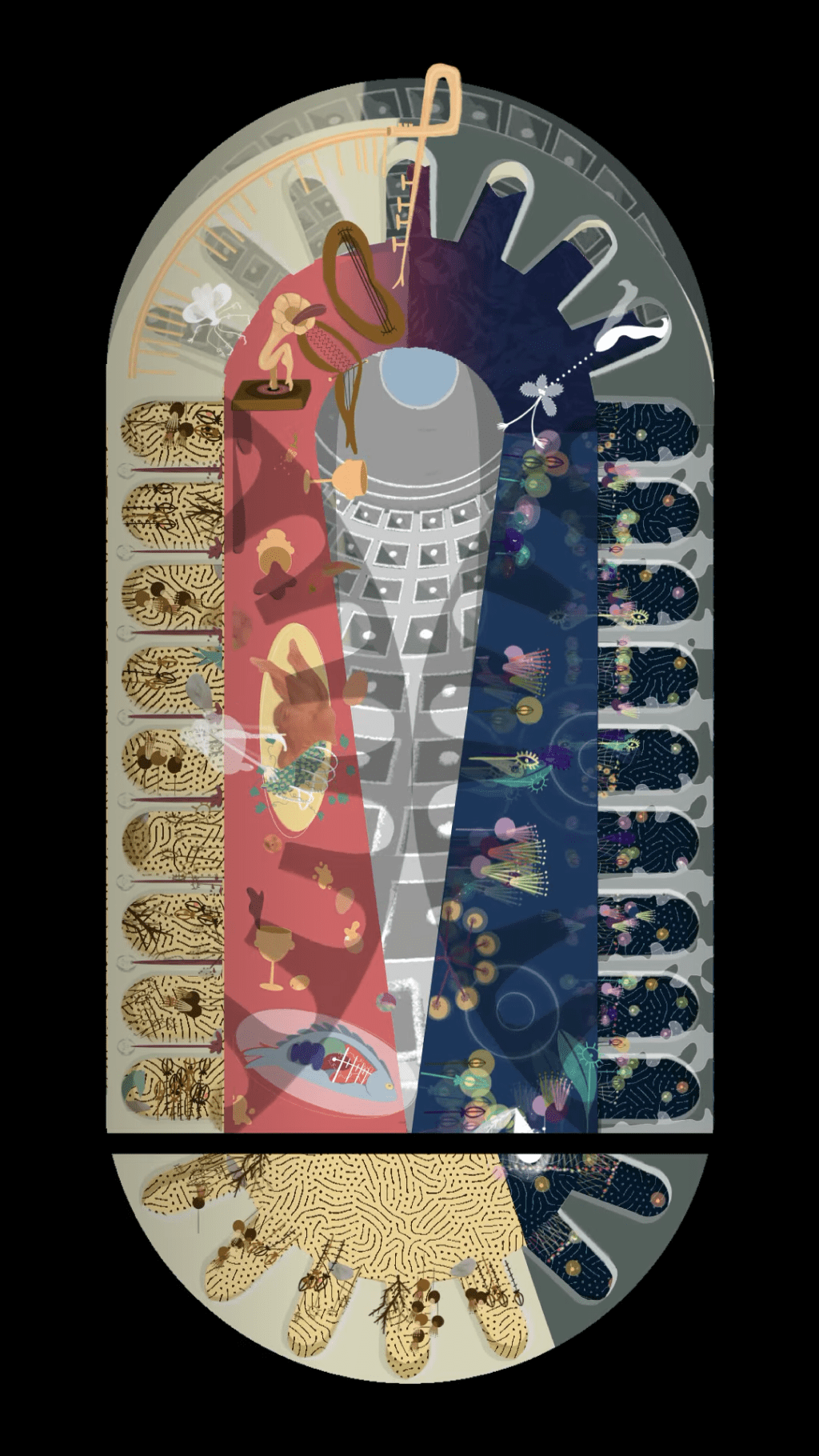
20” loop – 2020
“A Moment in the Afternoon” is an animated installation completed in 2020, based on a novel written by William Beckford in the 18th Century, “Vathek”. Beckford’s story starts in the palace that Vathek has built for his five pleasures; eating, smelling, listening, seeing, and sexuality. One day the devil visits Vathek in his new court, and their adventures begin.
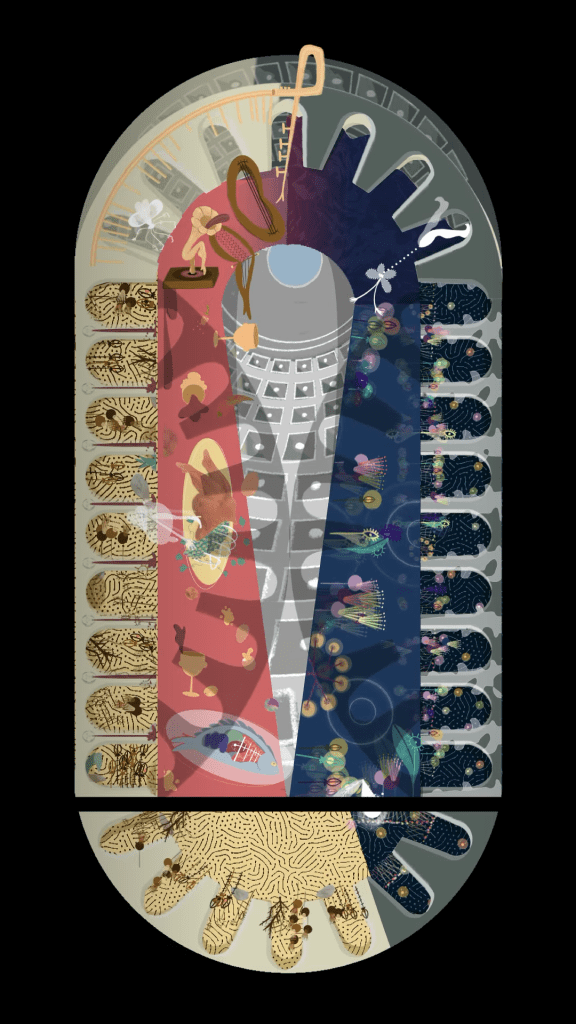
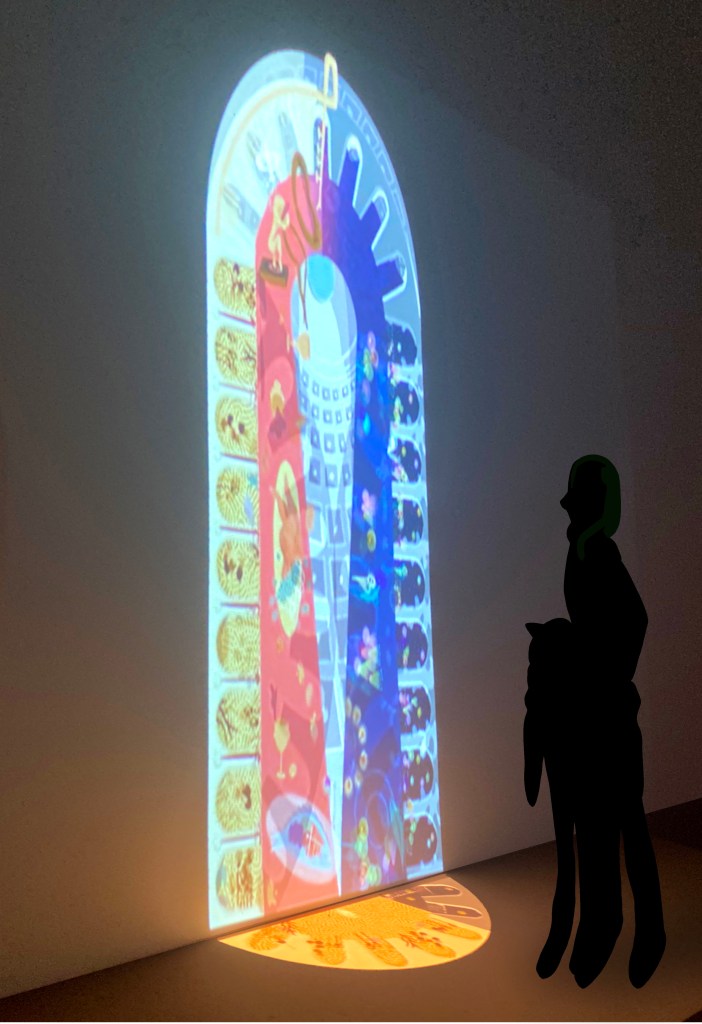
“A Moment in the Afternoon” depicts a time before their journey; they are still in the palace; it is an afternoon when the previous night’s traces are still visible, but the other visitors are still asleep. The devil (in his five theophanies) is alone in the scene and enjoys everything the palace has to offer. Each room the devil visits gives it a new form, a new body – a body which is both in real space (the animation is a 1.5*3.5-meters installation so that the viewers have to look down to see the sands below their feet and look up to see the dome above their heads, creating a sense of reality) and flexible enough to be accommodated by its environment.
The Story
Vathek, the antihero in Beckford’s late 18th century novel, is the ninth caliph of the Abbasside’s and just like his author himself, holds the economic and social power to isolate himself from the society that surround him and shape a new reality for himself. “A moment in the afternoon” was created during the quarantined months due to a worldwide pandemic, when the majority of the world had to be isolated. The animation is the outcome of 2020-2021 Spring Semester Class tutored by Assoc. Prof. İnci Eviner.
Beckford’s story on the adventures of Vathek starts with him augmenting the palace which he inherits from his ancestors in order to suit his ideals. He builds five additional wings to his palace, each to fulfill his earthly delights; to eat, to listen, to see, to smell, and to make love. Beckford describes Vathek’s augmented wings as such;
“In the first of these were tables continually covered with the most exquisite dainties, … the most delicious wines… flowed forth from a hundred fountains…
The second … was inhabited by the most skillful musicians and admired poets
Rarities … pictures … and statues that seemed to be alive (was in the third)
(In the fourth) … perfumes … were kept perpetually burning in censers of gold … into an immense garden
The fifth palace… was frequented by troops of young females.” [1]
The space of anımation
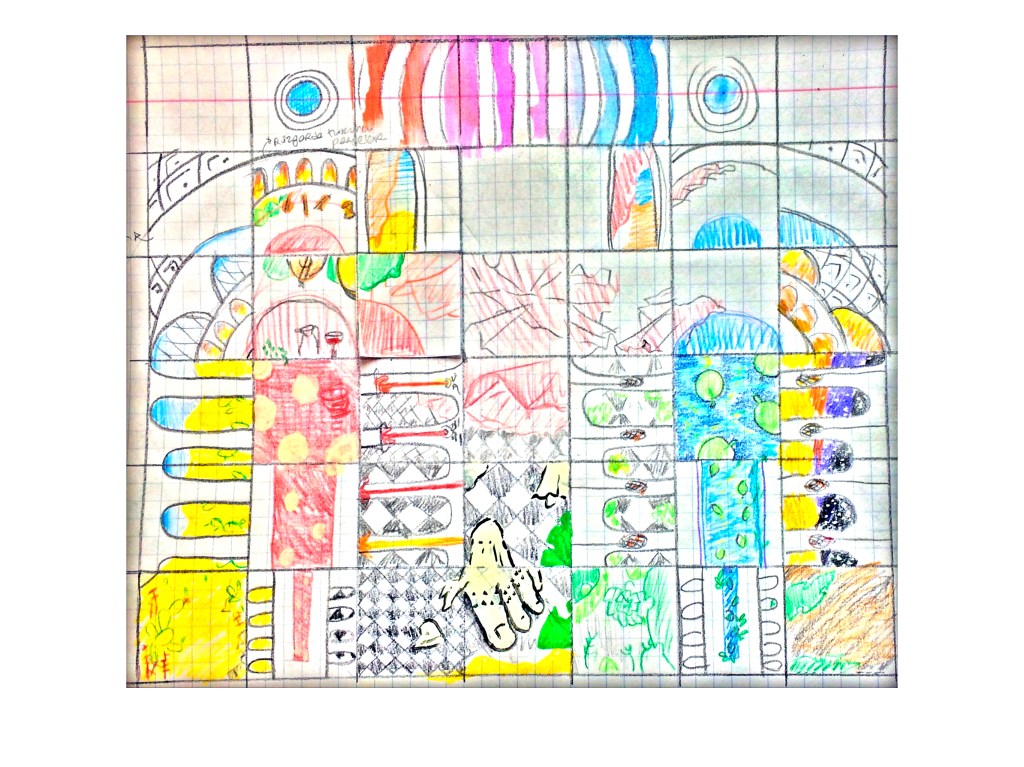
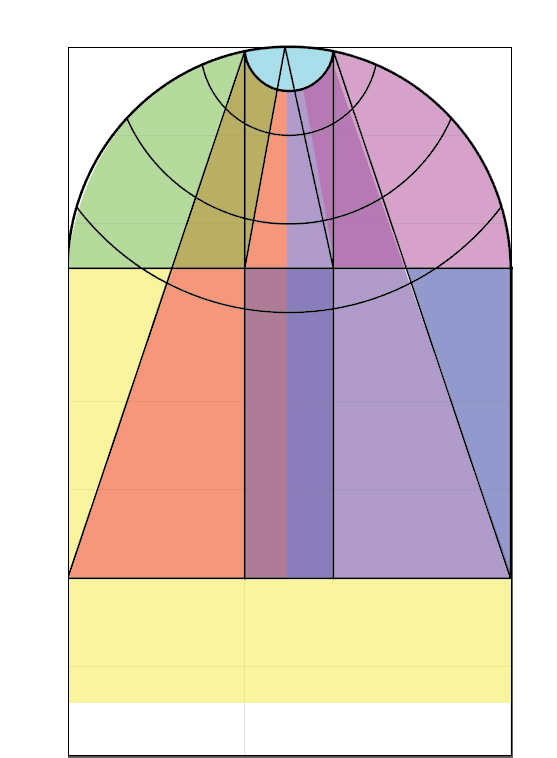
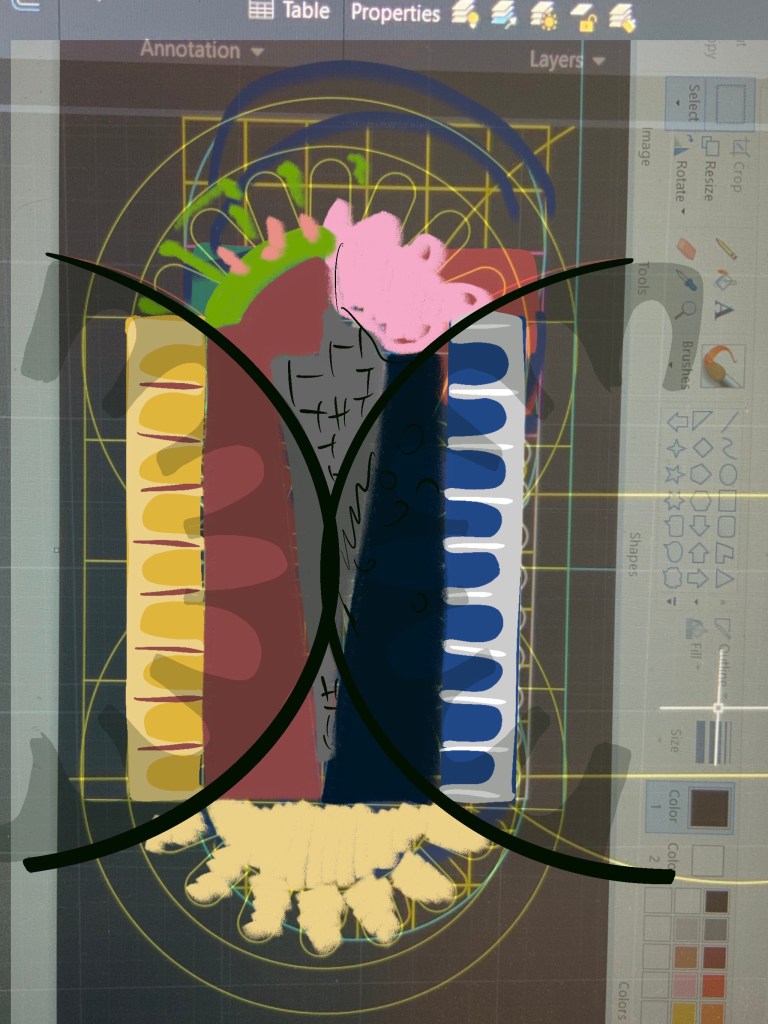
The Eden-like palace is situated in the middle of a desert-like an oasis; secluded from the outer world. The animation juxtaposes the five wings of the palace and the desert it is situated in, creating a singular image.
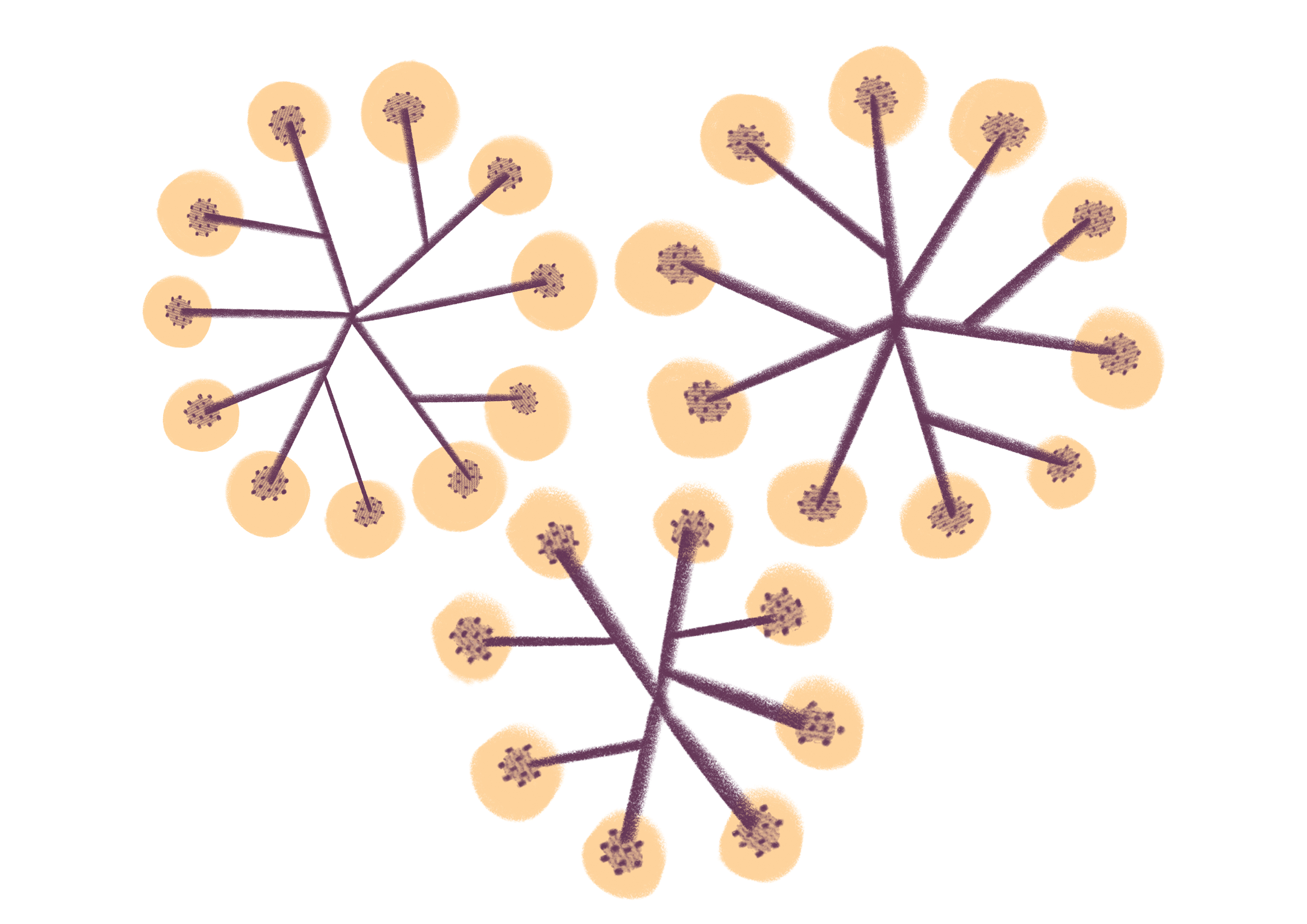
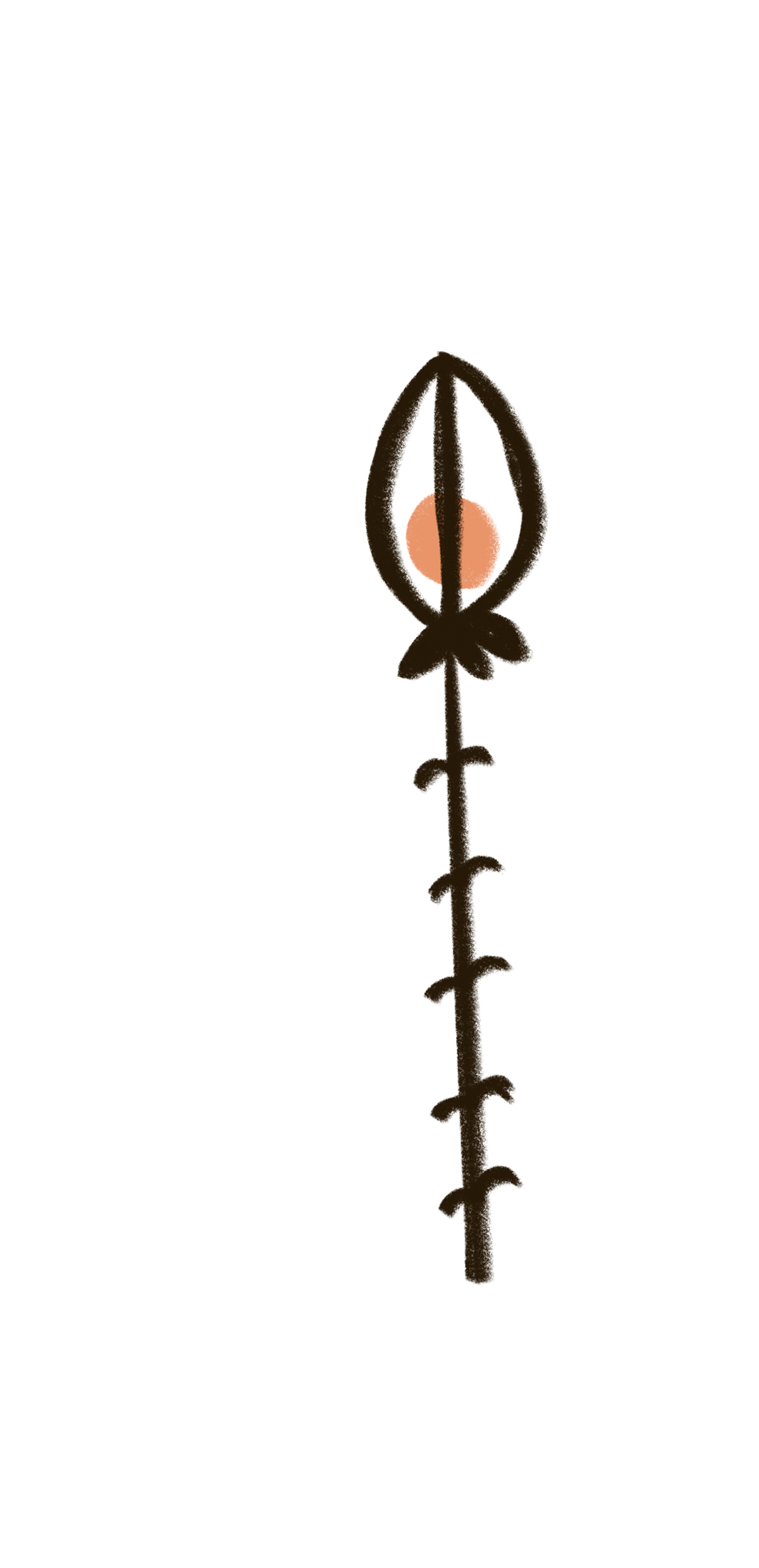
The flora of the space is specified, but fauna of the palace is out-of-sight – still asleep since the party of the previous night.
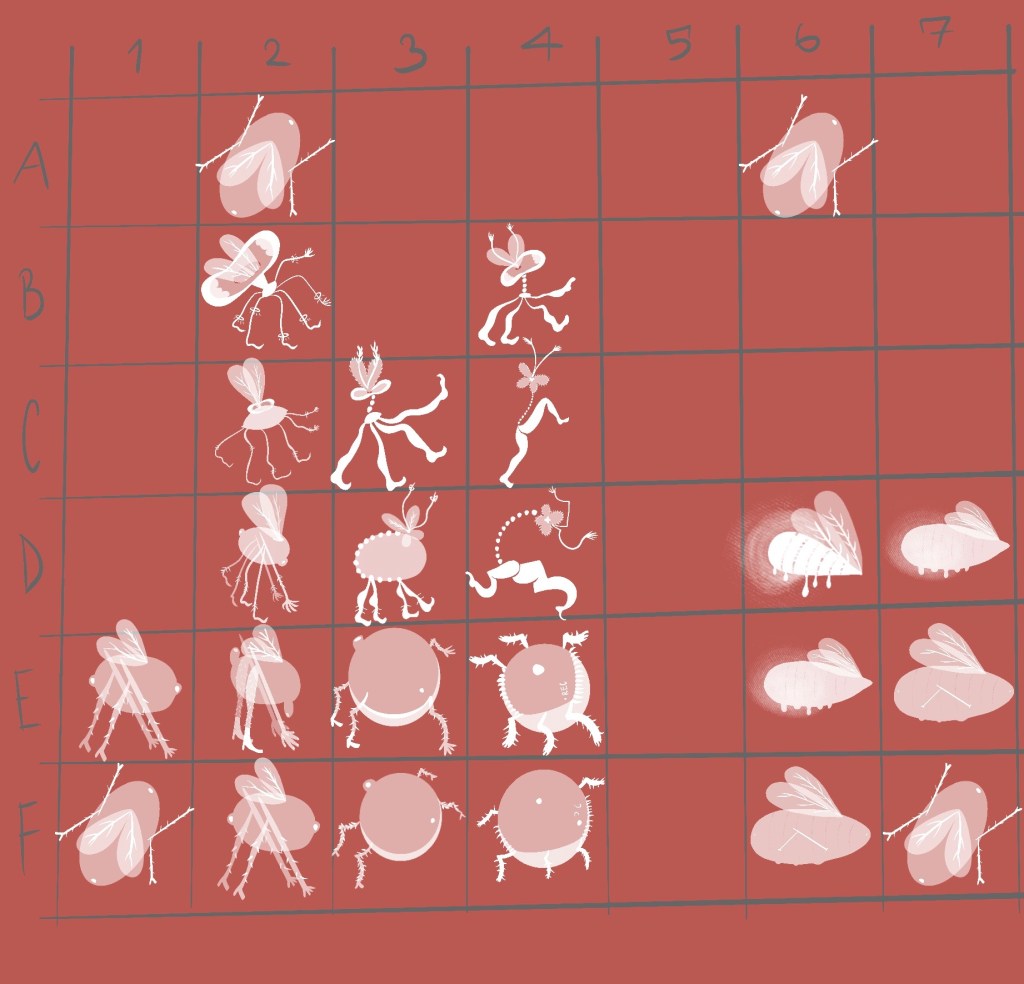
Only the devil – in his five theophanies roam the halls.
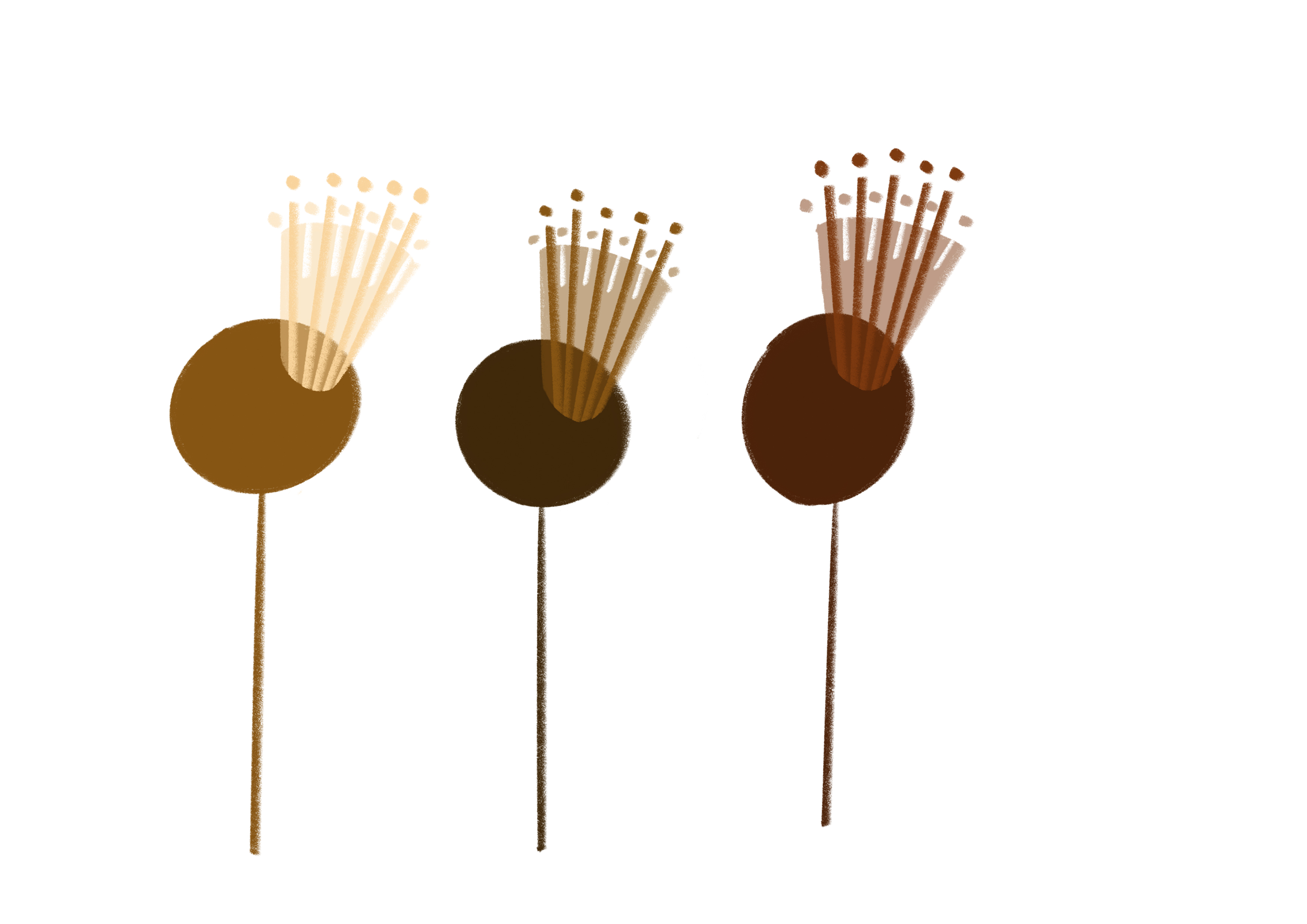
The desert
Beneath your feet
Lays the hot desert sand
Inhabited by no other than
Dried plants, the devil, and your unexpected self
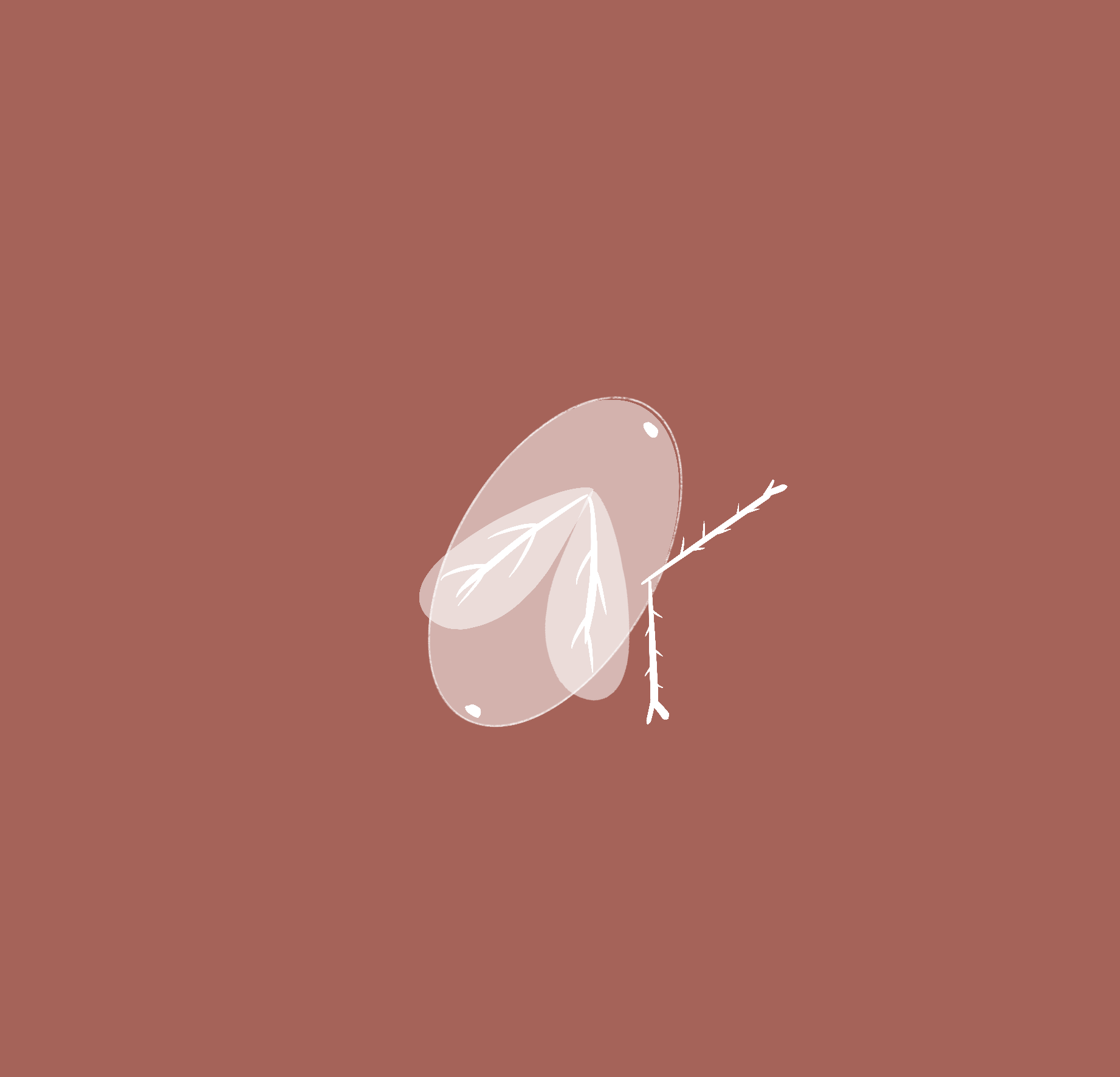
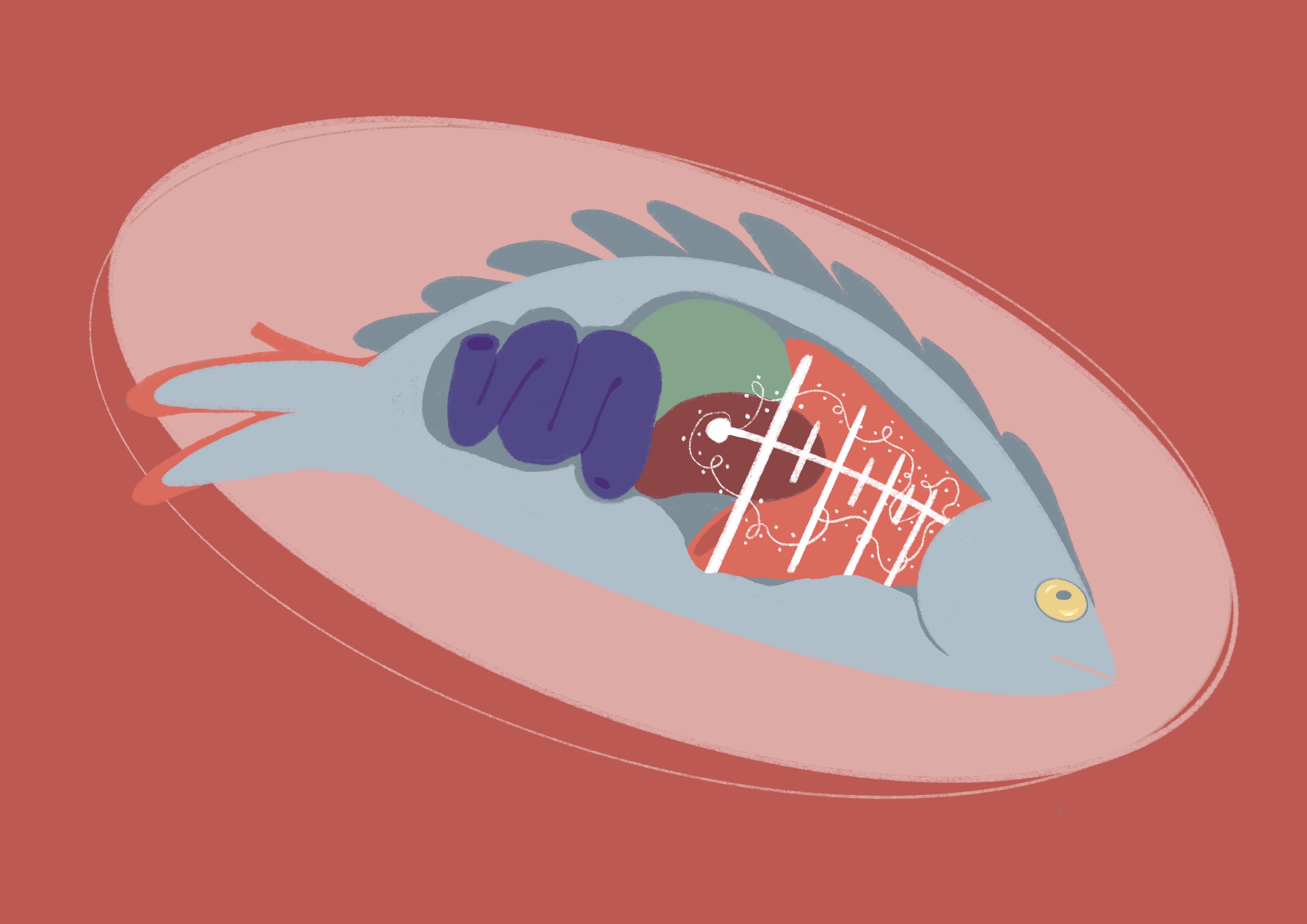
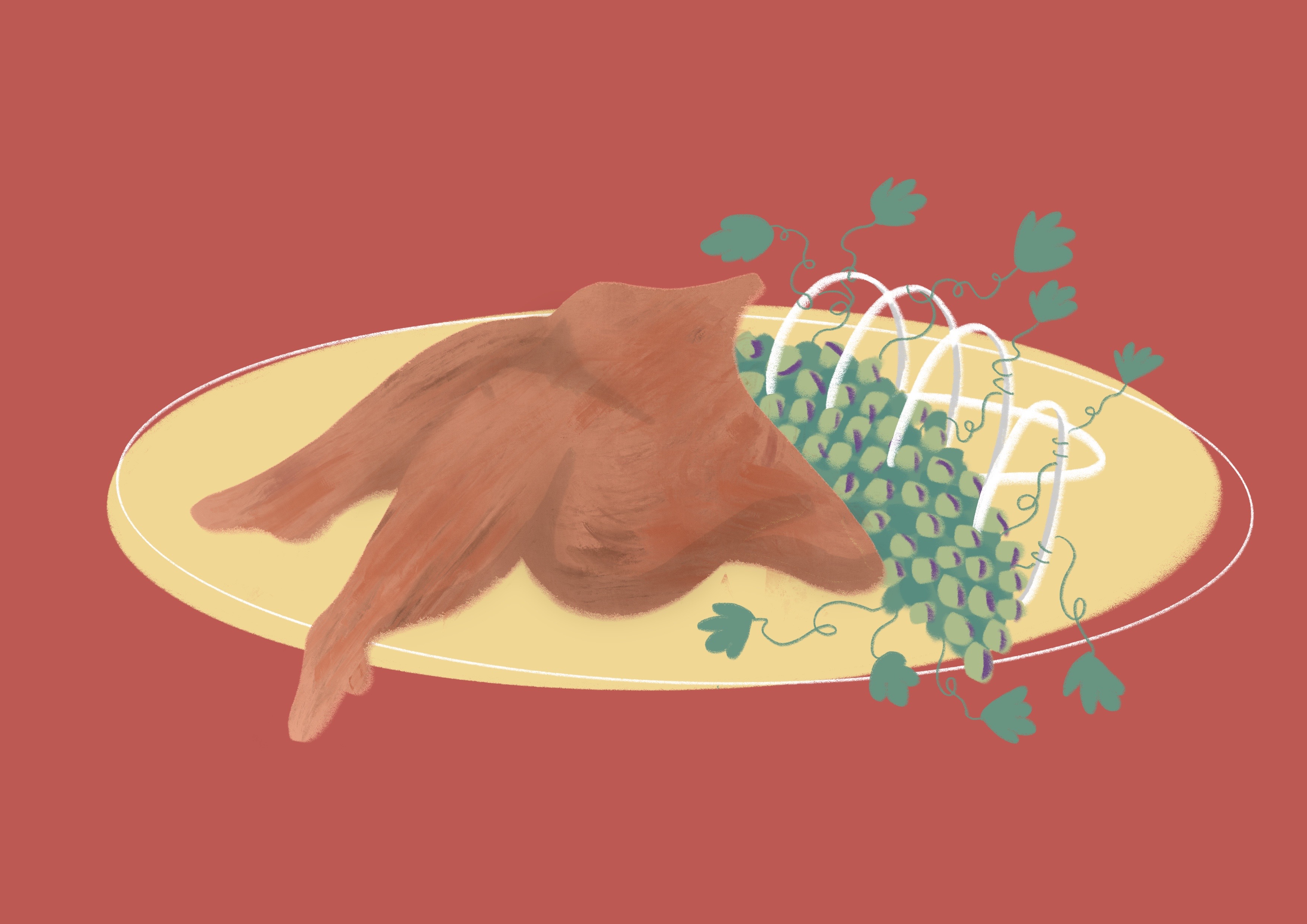
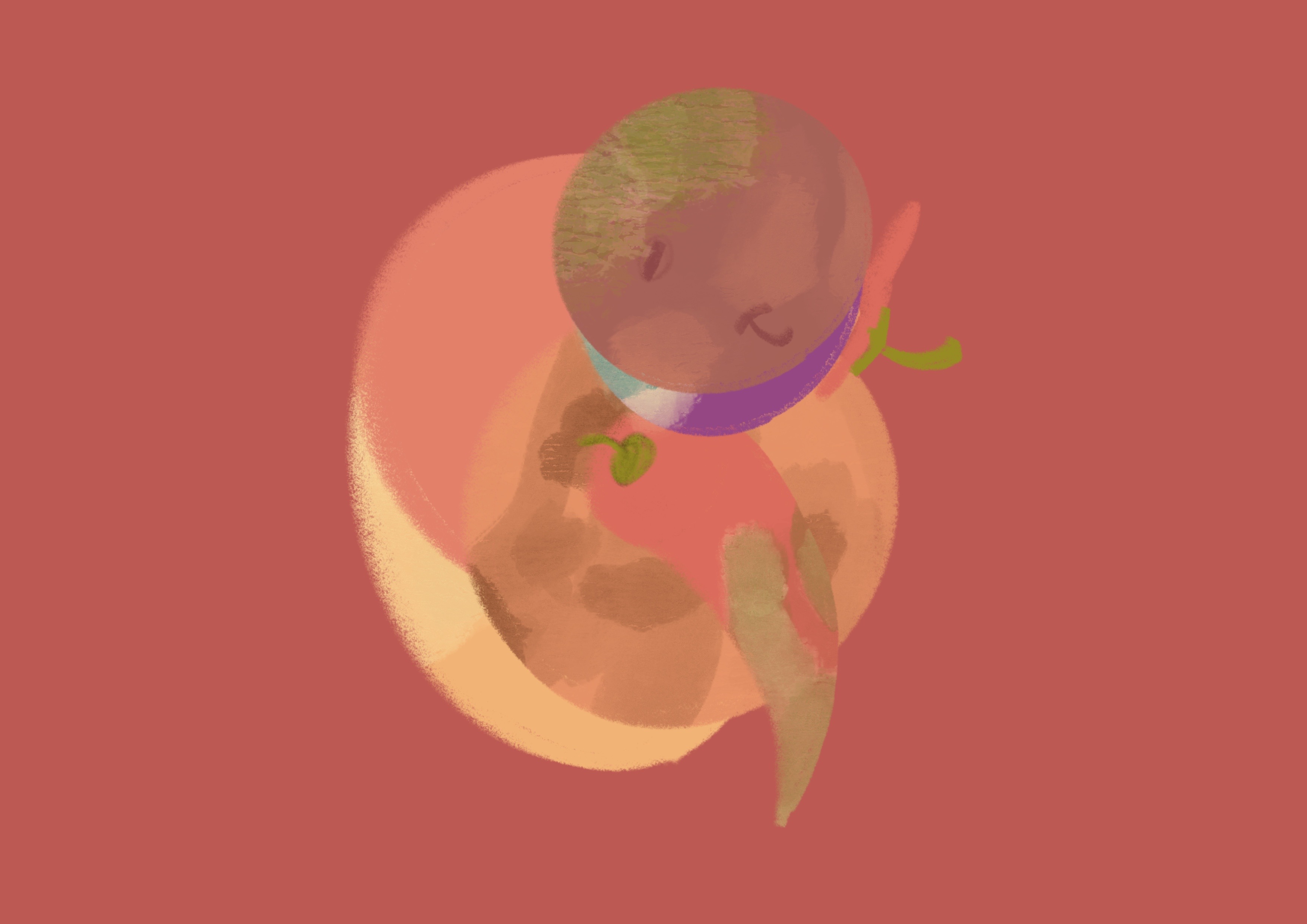
The Dining room
Spilled and spoiled goods
Cooked and wasted bodies
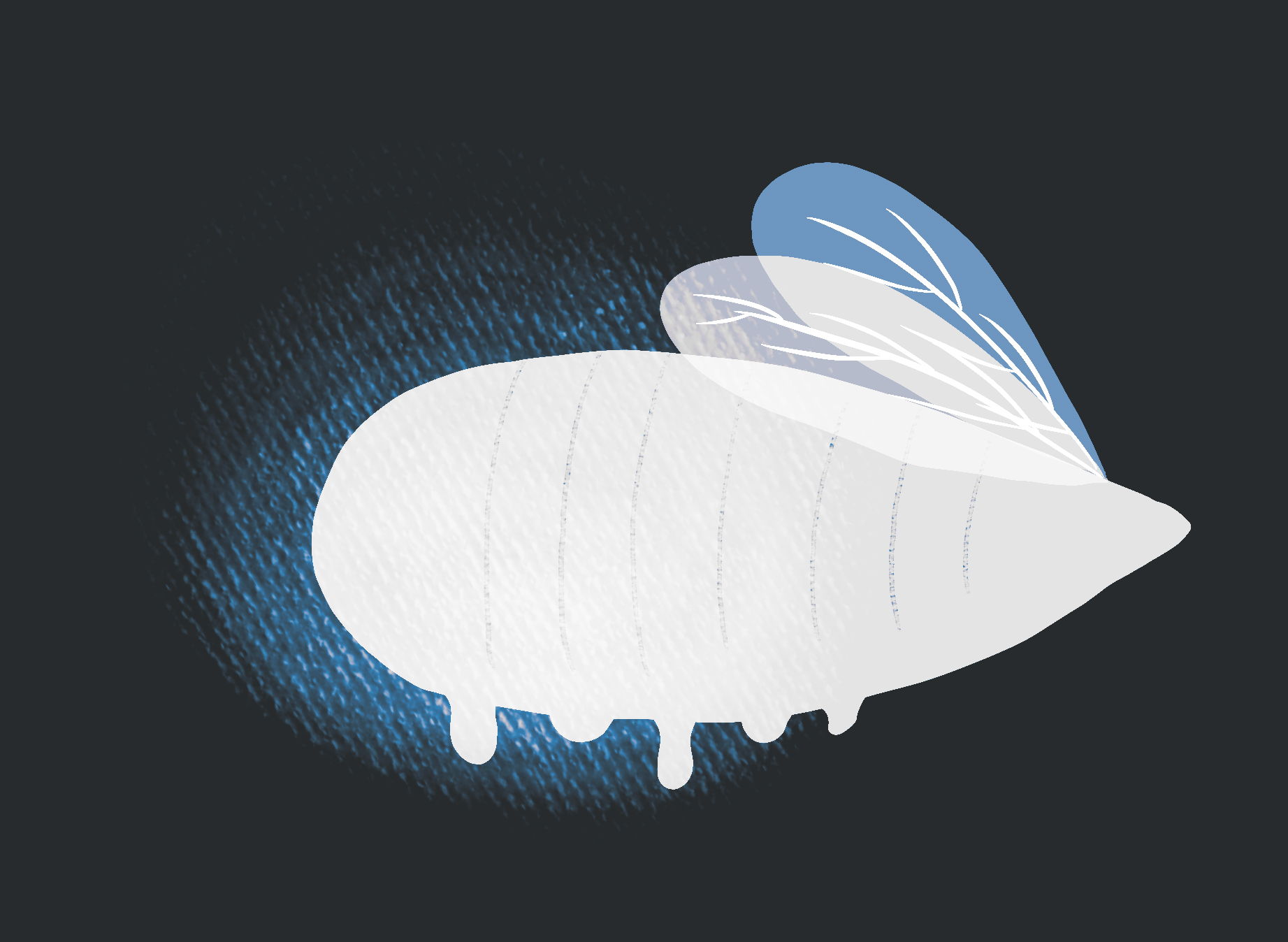
A guest; half fly half stomach
Welcome to the dining room
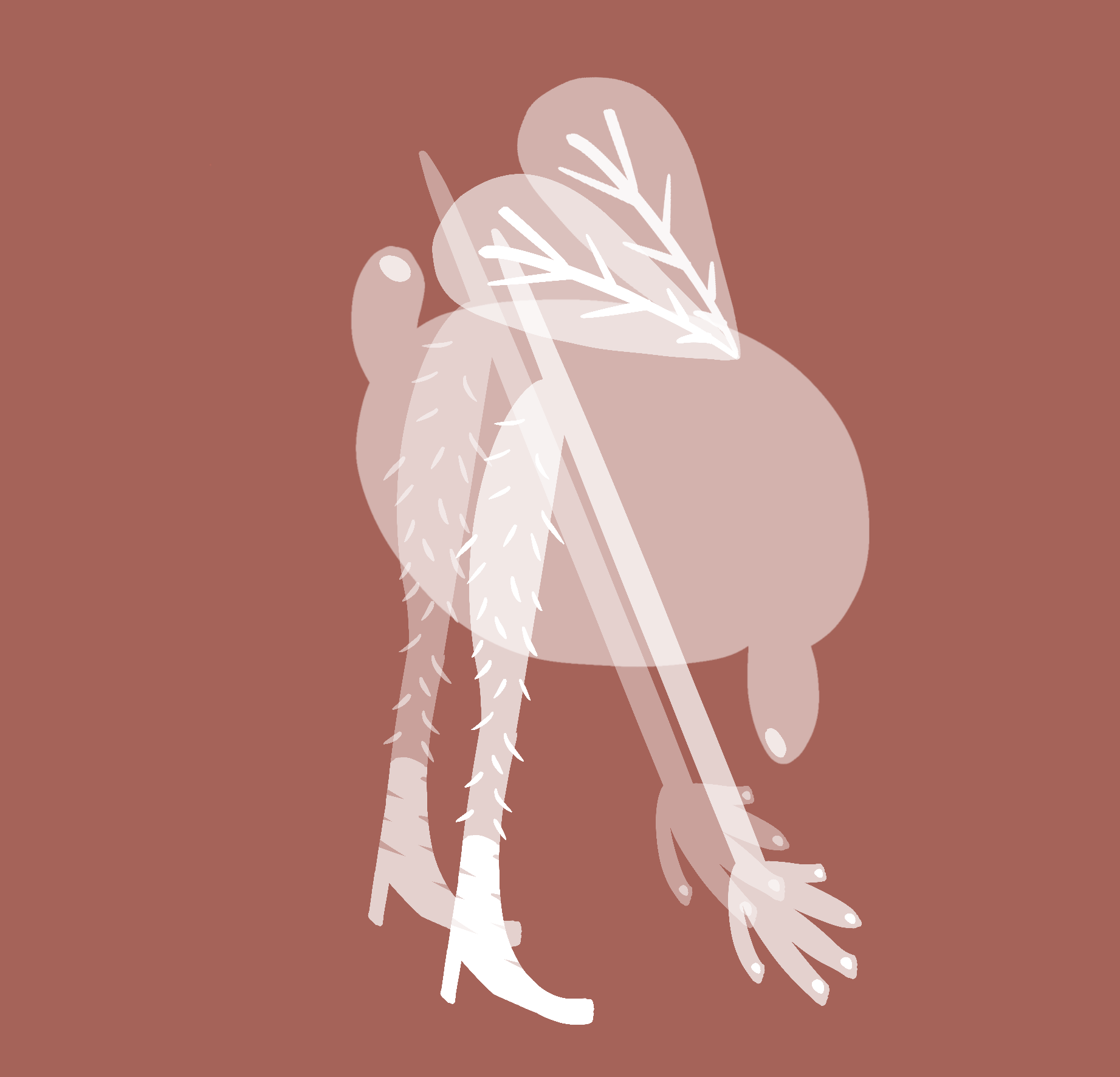
The ROOM OF SCENTS
In the chill desert nights
Steams move upwards
While scents drip downwards

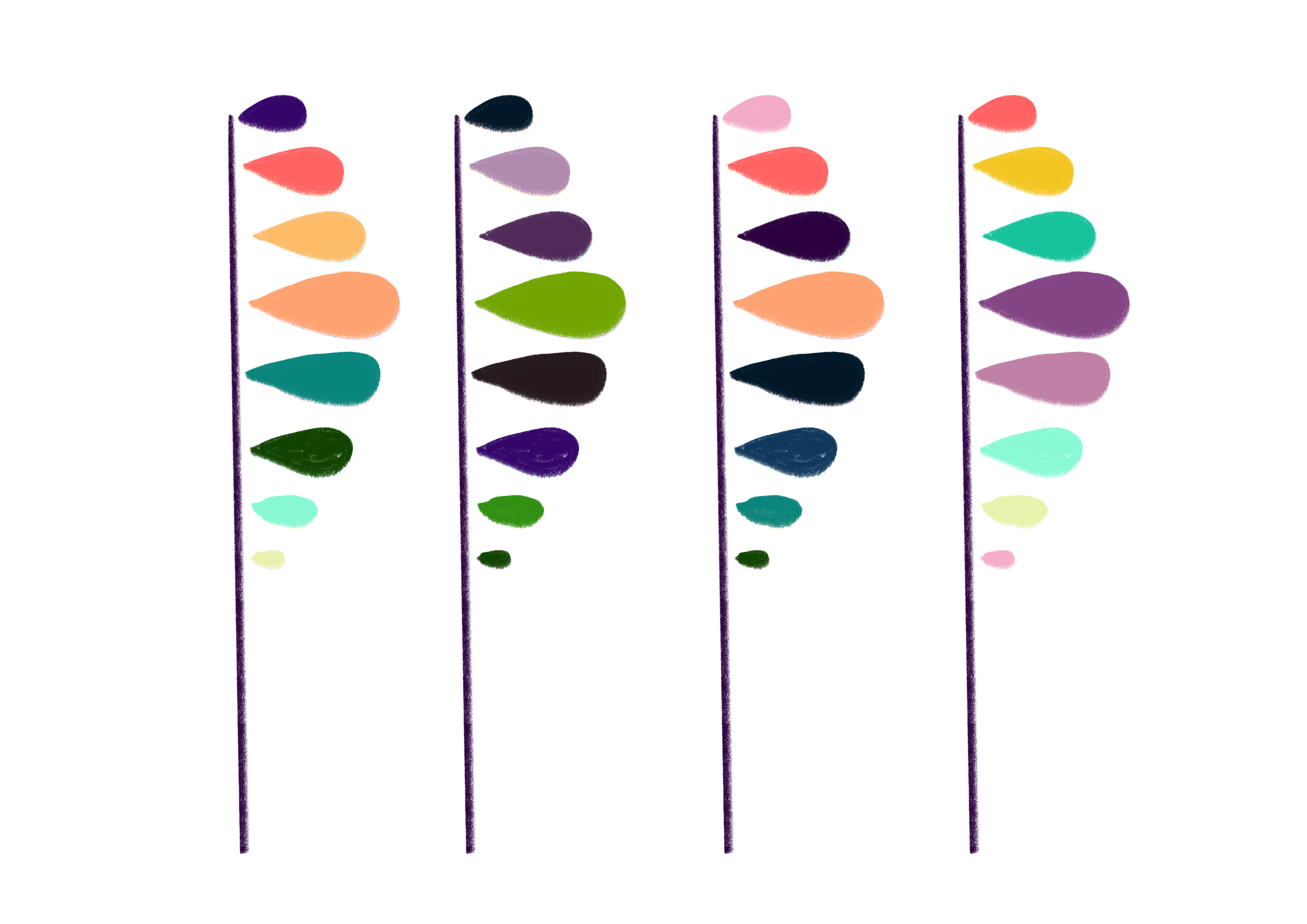


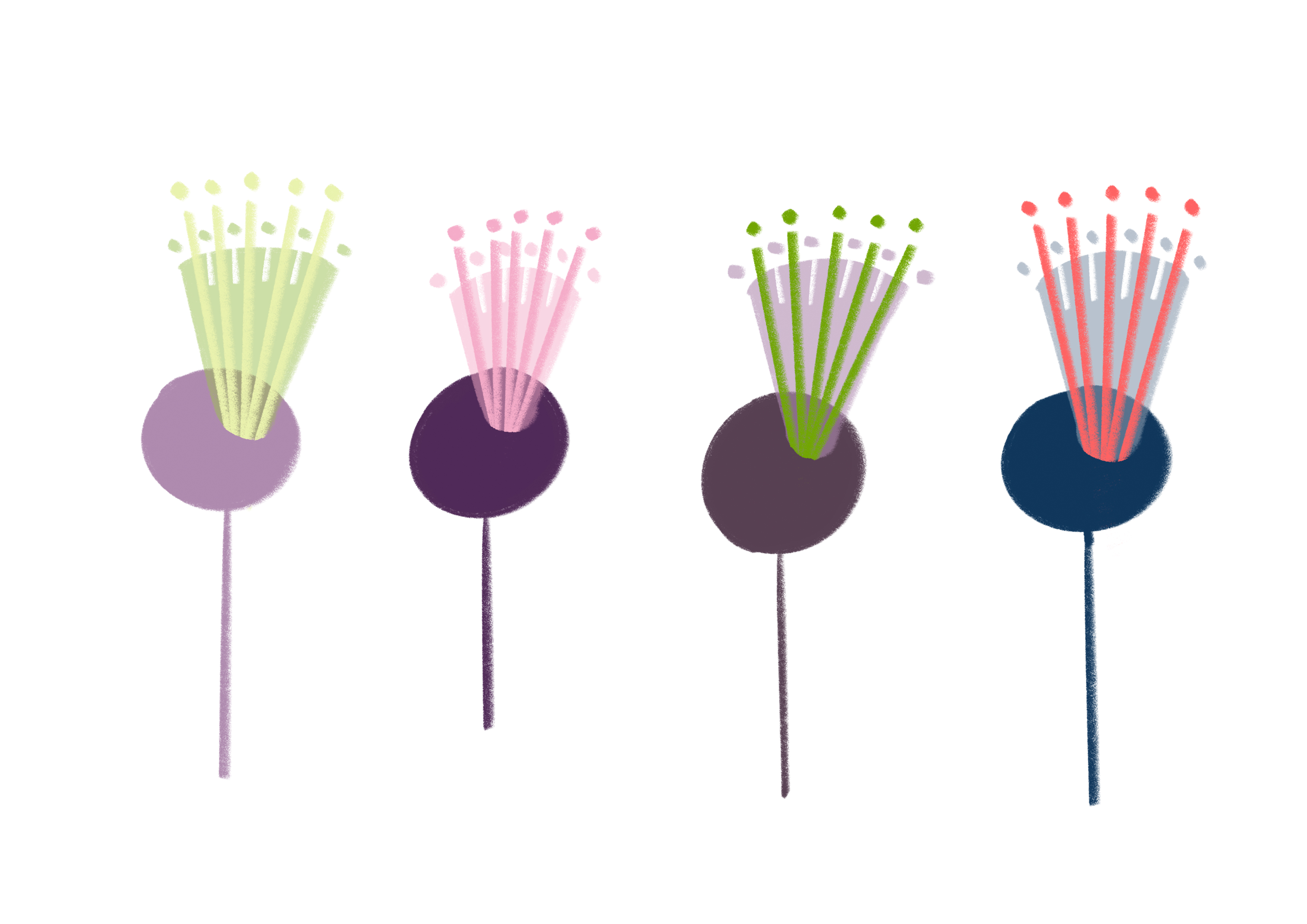
The Music Room
The room is full of sound
The pillars blow, the columns chant, the floor sings
But no one has any ears


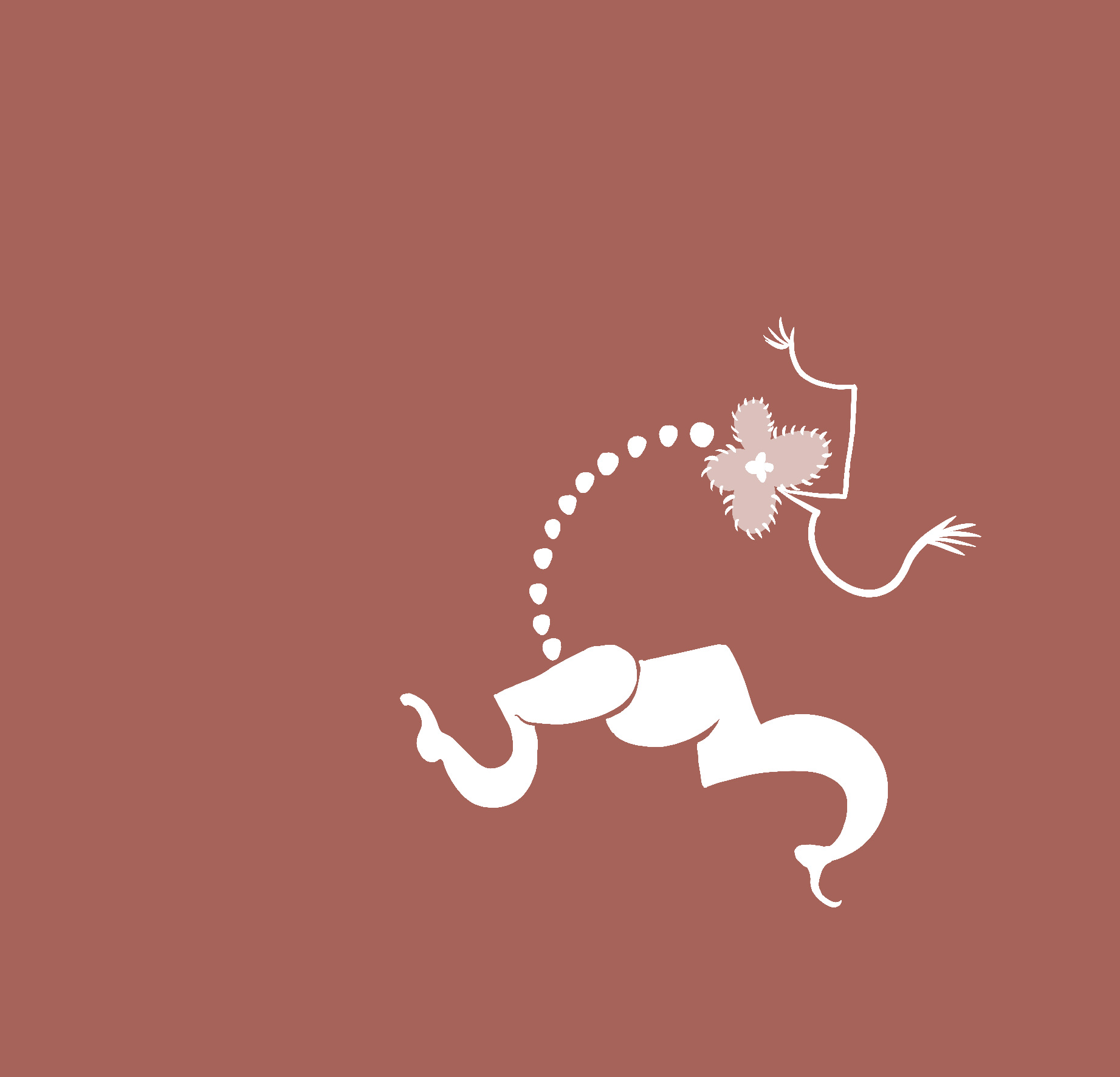
The Room of Sensuality
Not much is needed here;
Except from soft surfaces
And amenable bodies

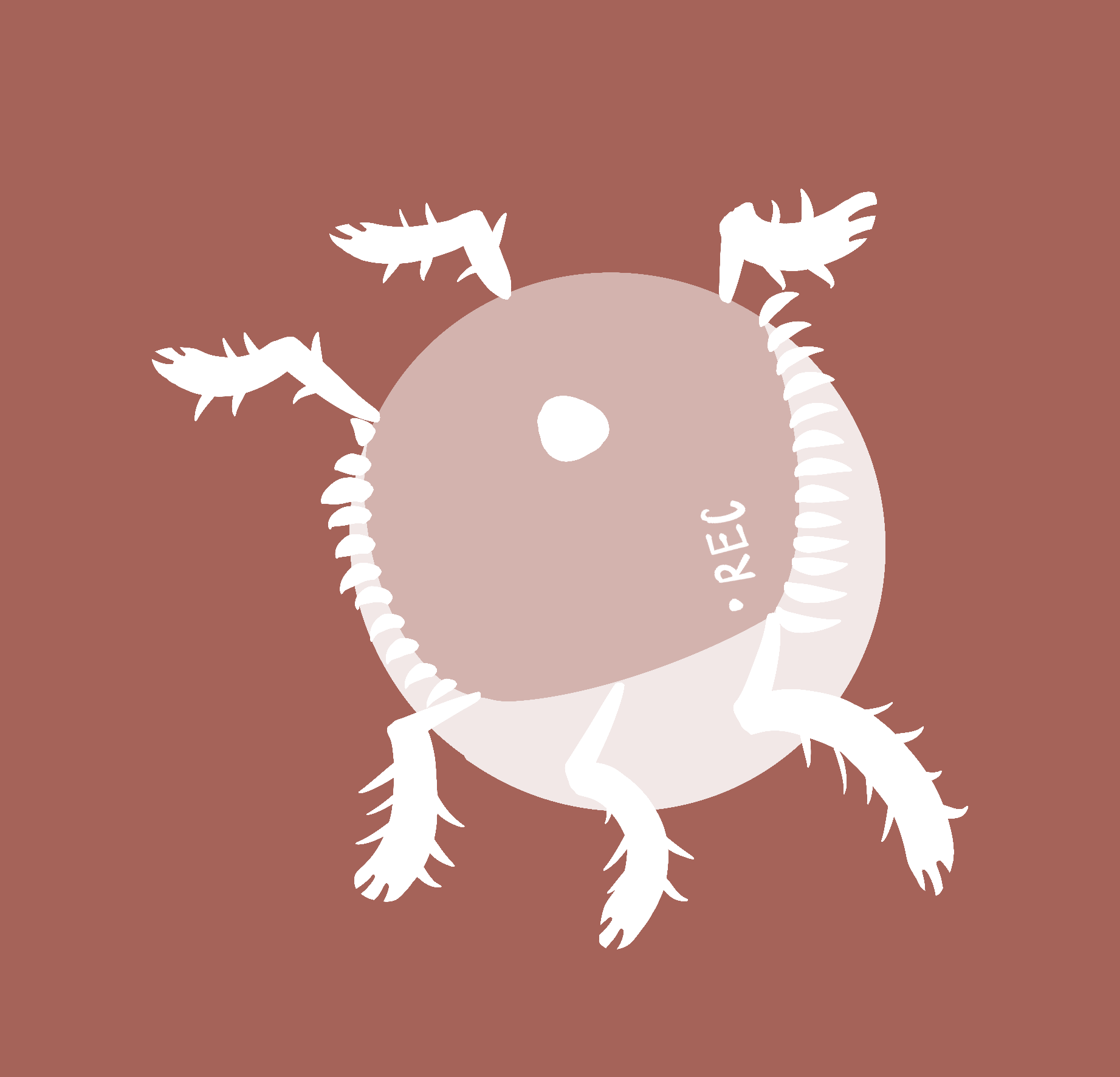
The room of wisdom
All that is left to learn
Is all that the eye can see
As high as the sky-dome
The Viewer’s body
The animation is a 150*350 cm wall panel where each section visualizes a different fragment of the environment. Although the animated image has six general areas, while roaming their gaze amongst it, the viewer realizes that the rooms don’t have borders. They juxtapose with each other. On the very bottom, projected on the ground, is the desert, where the Devils seemingly enter the palace, the rest of the palace is projected on a wall where the viewer is advised to step back and look up in order to see the full composition.
The animation is a 4-minute loop of a short sequence of an afternoon in the palace, but the viewing time is not determined by its duration; the viewer, just like a visitor of a real palace, are not offered a clear narration set in time, but has to narrate a story for themselves based on what they witness in their own pace. Like in real life. In this regard, the piece is closer to a painting than an animated movie.
[1] Beckford, Vathek.
 Ilgın Hancıoğlu
Leave a comment